Beverly Hills highlight
Historic luxury residential
A residential community defined by distinctive architecture, established neighborhoods, and estates reflecting decades of careful development and preservation.
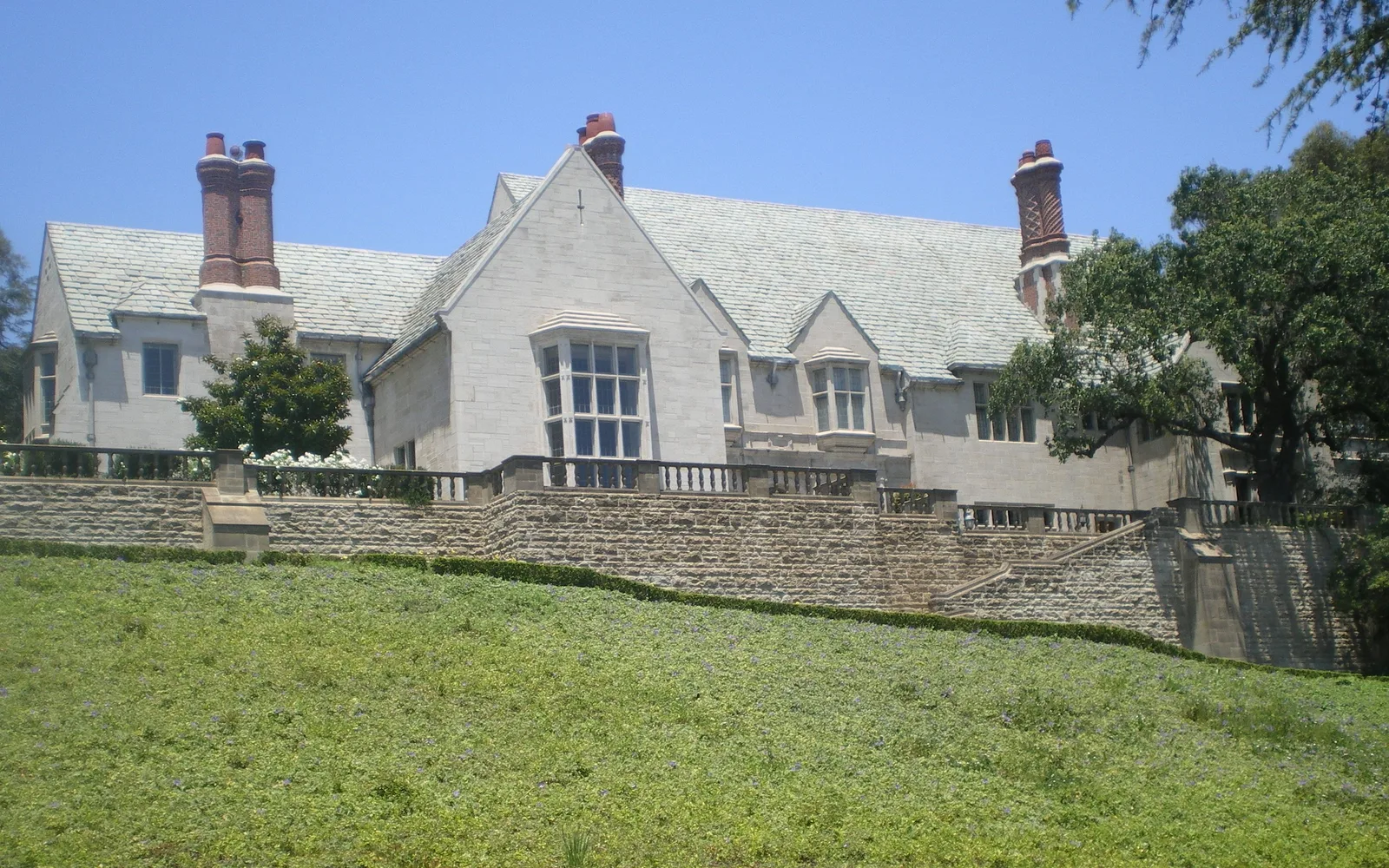
Beverly Hills residential areas are organized around a pattern of tree-lined streets, architecturally significant homes, and a commitment to neighborhood character that has spanned generations. The city's zoning and building standards have preserved the quality of its residential districts, where homes from the 1920s through mid-century modern estates sit alongside contemporary architecture. Many neighborhoods maintain architectural continuity through design guidelines that respect the historical development of the area.
Home ownership in Beverly Hills often represents a long-term commitment to place. Families choose the city for its schools, established community character, and the stability that comes from living in a community where property values and civic identity are closely linked. Multi-generational occupancy of homes and estates is common, and the residential foundation of the city—rather than commercial or entertainment industry identity—is what residents build their lives around day to day.
A household in a Beverly Hills estate or established neighborhood typically has complex financial obligations: a mortgage on substantial property, perhaps a second home or investment property, children's education, and the desire to protect the family foundation that generations may have built. Term insurance sized to these real needs—a 20- or 30-year policy that covers the mortgage years and child-rearing years—ensures that your family's home and plan survive even if your income does not.